Navigating Fire Code Compliance for Historic Buildings in Wooster Square

Navigating Fire Code Compliance for Historic Buildings in Wooster Square

The brick row houses around Wooster Square were built between 1830 and 1870, long before any modern fire code existed, and that is exactly what makes fire protection in this New Haven neighborhood a different problem than it is anywhere else in the city. A property owner here is not working with a blank slate. They are working inside a National Register Historic District, listed in 1971, where the Federal, Greek Revival, and Italianate facades are protected and the interior framing is often original 19th-century construction. Bringing a building like that into modern fire code compliance, and keeping it there through professional monitoring, takes an integrator who understands both the life-safety code and the constraints of a protected structure. Mammoth Security designs, installs, and provides fire alarm monitoring for exactly these buildings across the greater New Haven market.

What Makes Wooster Square Different From an Ordinary New Haven Property

Wooster Square covers roughly 40 acres at its center, a ring of streets around the park named for Major-General David Wooster, and the building stock is dense, attached, and old. Many of the most notable structures are the work of the New Haven architect Henry Austin, and the Wooster Street corridor carries a mix of commercial and residential use in buildings that predate electricity, let alone modern detection. That combination, attached masonry construction, original wood framing, mixed occupancy, and historic-district protection, creates fire-safety conditions a newer building simply does not have.

The practical issue is that fire spreads differently in this kind of structure. Shared walls, concealed balloon-framed cavities, and decades of renovation layers give a fire paths that a modern building does not have, which raises the value of early detection and immediate monitoring. At the same time, the historic-district status means an owner cannot simply run surface conduit across a protected facade or core through original millwork wherever it is convenient. The fire alarm system has to satisfy the code while respecting the building, and that tension is the entire challenge. An integrator who treats a Wooster Square row house like a strip-mall tenant space will either damage protected fabric or install a system that an inspector rejects.

There's a Fire Code Written Just for Historic Buildings

Historic structures have their own standard. NFPA 914, the Code for Fire Protection of Historic Structures, exists specifically so protected buildings can meet life-safety goals without destroying the features that make them historic. A fire code official can require a designated historic building to follow a fire protection plan under NFPA 914, which is why fire protection in a place like Wooster Square is handled differently from an ordinary commercial property.

Fire Codes Can Reach Backward, Building Codes Usually Don't

There's a real distinction most owners miss. Building codes generally are not retroactive and apply when a structure is built or significantly remodeled, but fire codes regulate how a building is used and can be applied to existing structures already standing. That is why a historic Wooster Square building constructed in the 1800s can still face current fire alarm and monitoring obligations today, even though no one is forcing a full structural rebuild to modern building code.

The Hardest Fire Problem in Old Buildings Isn't Detection, It's Getting Out

Fire safety professionals who work on historic structures point to egress as the toughest challenge. Older buildings often carry inadequate fire alarm and sprinkler protection plus finishes like wood coated in a century of varnish, but the most difficult design flaw is the lack of safe means of egress, the exits and paths out that modern codes require. That is exactly why early detection and fast monitored response matter so much in a protected Wooster Square building.

Social Media

The Code Framework Behind a Wooster Square Fire System

Fire alarm systems in Connecticut commercial and multi-family properties are designed to meet NFPA standards, with NFPA 72, the National Fire Alarm and Signaling Code, serving as the governing reference for how a system is designed, installed, and tested. Enforcement runs through the Connecticut State Fire Safety Code and the New Haven Office of the Fire Marshal, whose inspectors review buildings regulated by that code with the safe egress of occupants as the central goal. For a historic Wooster Square property, that review weighs the same factors as any commercial building, working detection, audible and visible notification, and a clear path out, but applies them inside a structure that was never designed around them.

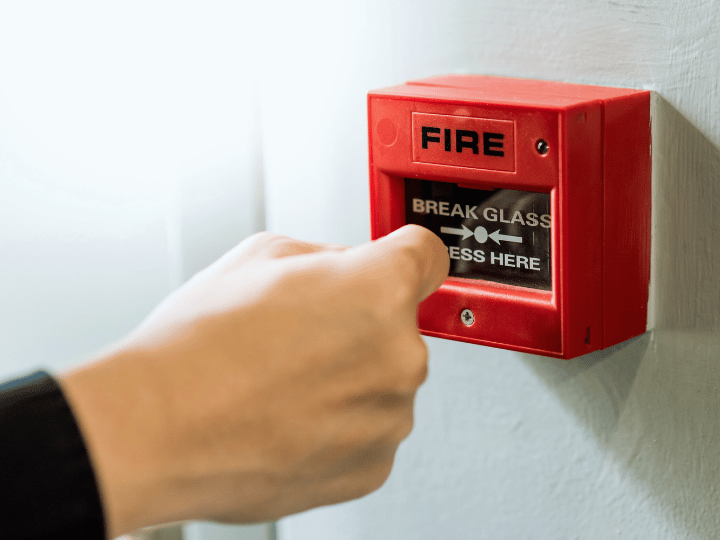
This is where monitoring becomes more than a feature. A monitored system means that the moment a smoke detector, heat detector, or manual pull station activates, a signal travels to a central station that notifies the fire department, even when the building is unoccupied. In a dense historic district where an attached building can put neighboring structures at risk, that speed matters more than in an isolated property. Mammoth Security backs its fire alarm systems with 24/7 central station monitoring precisely so a developing fire in an old Wooster Square building reaches responders before it reaches the shared wall. That monitored response is the difference between a contained incident and one that threatens the streetscape the Historic Wooster Square Association and the New Haven Preservation Trust have worked to protect.

Detection and Notification That Respects a Protected Building

Designing detection for a historic structure is a matter of coverage and placement. The system still needs smoke detectors, heat detectors where smoke detection is impractical, manual pull stations at the exits, and horn strobe notification appliances, the devices that combine an audible horn with a visual strobe so an alarm reaches every occupant. An addressable fire alarm panel, which identifies the exact device that activated rather than just a general zone, is often the right choice in these buildings because it pinpoints a problem in a complex floor plan without forcing responders to search an entire structure. Mammoth Security works with Potter, Kidde, Honeywell, and Simplex fire equipment, choosing the panel and device mix that fits the building rather than forcing one product line onto a structure it does not suit.

The historic constraint shows up in how those devices get connected. Routing detection and notification circuits through a protected building calls for careful, low-impact pathways that keep the system code-compliant without scarring original plaster, millwork, or masonry. This is the part a general electrician tends to get wrong, and it is the same lesson that runs through every Mammoth installation: the value is not just mounting the device, it is engineering the system so it works, passes inspection, and leaves the building intact. A fire alarm system feeding a reliable monitored connection is only as good as the design and documentation behind it.

Why Monitoring, Not Just Installation, Is the Long Game

A Wooster Square owner who installs a fire system and walks away has solved half the problem. The code expects fire alarm systems to be inspected and tested on a regular cycle, with records available for the fire marshal to review, and a monitored system has to maintain a live, supervised connection to the central station the entire time. When that connection drops, when a panel goes into a trouble condition, or when a device drifts out of spec, the property is exposed in exactly the moment it believes it is protected. Continuous monitoring exists to catch those conditions, because a monitored panel reports not only alarms but supervisory and trouble signals that tell the integrator something needs attention before it becomes a failure.

For a historic multi-family building, that ongoing monitoring also protects the people the code is written for. A Wooster Square row house converted to apartments holds residents who are relying on a system they never see, and a lapse in monitoring or a stale inspection record can carry occupancy consequences for the whole building, not just a single unit. Mammoth Security keeps the systems it installs on the required testing cycle and under continuous fire alarm monitoring, so the documentation is current when the marshal asks and the central station connection is live every hour in between. This is the integrated, single-vendor model at work: the company that designed the system is the company monitoring it and the company that shows up when it needs service.

Aging Systems, False Alarms, and the Cost of Getting It Wrong

Older buildings tend to inherit older fire systems, and a Wooster Square property that has not been updated in years often runs detection that is past its reliable service life. Aged smoke detectors lose sensitivity, batteries reach end of life, and panels accumulate trouble conditions that a building manager learns to ignore. That drift produces two failures at once: a system that may not detect a real fire, and one that generates nuisance trips. Many Connecticut municipalities run alarm registration and false alarm reduction programs that assess escalating fines against properties whose systems repeatedly trip without cause, which turns a neglected panel into a recurring cost rather than only a safety gap. Proper detection design and supervised central station response are what keep a genuine alarm fast and a stray signal from becoming a municipal fine.

Replacing an aging system in a protected building is also where the historic constraint bites hardest. A modern retrofit has to thread new circuits and devices through a structure that resists easy pathways, and doing that without harming protected fabric is a design problem, not a quick swap. Mammoth Security approaches a historic retrofit by mapping the building first, planning low-impact routing, and selecting addressable equipment that minimizes the number of devices and home runs required, which reduces both the physical footprint in the building and the long-term maintenance load. The result is a current, code-aligned system under live central station supervision, installed in a way that leaves the Wooster Square streetscape exactly as the neighborhood has worked to preserve it.

The Integration Advantage in a Mixed-Use Historic Block

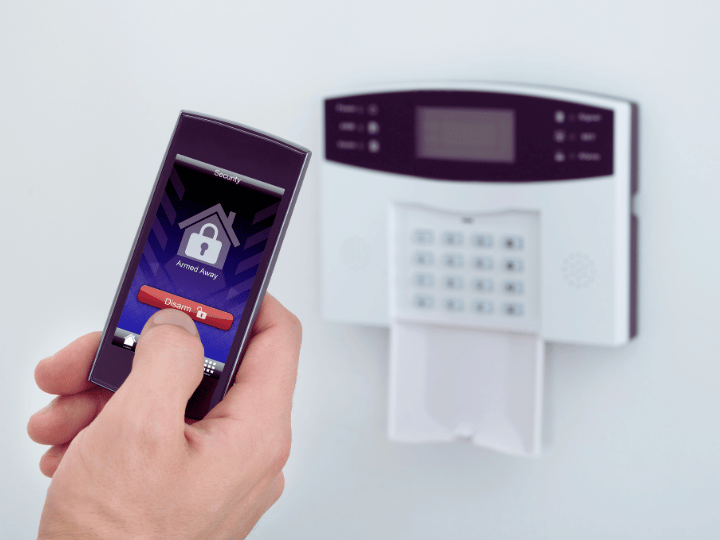
Many Wooster Square buildings carry more than a fire system. A mixed-use structure on the Wooster Street corridor may run security cameras over a ground-floor restaurant, access control on the residential entries above, and a burglar alarm across the whole property. When those systems come from four different vendors, the monitoring lives in isolation and the integration points become weak spots, particularly where a fire alarm must release an access-controlled door so a magnetic lock, the electromagnet that holds a door secured, drops the instant the alarm sounds and never traps a resident behind a locked egress.

Mammoth Security is built around one expert team and no vendor juggling, installing cameras, access control, fire alarms, burglar alarms, and the structured cabling that connects them as one documented system with one number to call. For a Wooster Square property owner, that means the fire alarm monitoring is not a standalone service bolted onto a building, it is part of a system where the fire panel, the access-controlled doors, and the video all communicate and are supported by the same Connecticut integrator. In a protected historic block where every penetration and every device placement matters, that single-vendor coordination is worth more than it would be in a simple modern building.

Serving Wooster Square and the Greater New Haven Market

Mammoth Security operates from four Connecticut locations, with its New Haven office on Whalley Avenue serving Wooster Square, downtown New Haven, East Rock, and the surrounding communities of West Haven, East Haven, North Haven, Hamden, Orange, Woodbridge, Ansonia, and Shelton. That local presence means the team designing fire alarm monitoring company in New Haven CT for a Wooster Square building already knows the New Haven Office of the Fire Marshal, the rhythm of its inspection cycle, and the way the Connecticut State Fire Safety Code is applied to protected historic structures in this specific market. A neighborhood near Yale University and the New Haven Green carries building types and inspection expectations that a New Haven integrator understands in a way an out-of-area vendor does not.

From its Bantam, Norwalk, and New Britain locations, Mammoth Security extends the same fire alarm monitoring and integrated security service across Connecticut, so an owner with a historic building in New Haven and a second property elsewhere in the state keeps one integrator, one standard, and one relationship rather than a patchwork of vendors. For the dense, protected, mixed-use building stock of Wooster Square, that consistency is itself part of staying compliant, because the same team maintains the system to the same standard year after year.

Why Wooster Square Owners Choose Mammoth Security for Fire Alarm Monitoring

Protecting a historic Wooster Square building is a long-term relationship, not a one-time install, and that is what makes the right fire alarm monitoring partner matter. Mammoth Security is a Connecticut licensed security and low-voltage contractor serving New Haven and the statewide market from four locations, with one expert team handling fire alarms alongside cameras, access control, burglar alarms, and structured cabling. The company designs and installs conventional and addressable fire alarm systems to meet NFPA standards and the requirements of the Connecticut State Fire Safety Code, using Potter, Kidde, Honeywell, and Simplex equipment, engineers detection and notification pathways that respect protected historic construction, handles the permitting and inspection coordination, and backs every system with 24/7 central station fire alarm monitoring that notifies the fire department the moment a device activates. Rated 4.7 stars by Connecticut clients, Mammoth Security gives Wooster Square property owners a single integrator to design, monitor, and stand behind the system that protects an irreplaceable building. To schedule a free security assessment or a fire alarm monitoring consultation for your historic property, call Mammoth Security at (203) 747-8244.


Redirect to: