How the Right Windows Lower Sacramento Cooling Bills

How the Right Windows Lower Sacramento Cooling Bills

In Sacramento, the window that matters most is the one that keeps summer heat out. The valley's climate is cooling-dominated, with weeks of triple-digit heat from June through September, so the biggest energy cost for most homes is running the air conditioner. Energy efficient windows attack that cost directly by blocking solar heat before it enters the house. This is a practical look at how energy efficient windows work in the Sacramento heat, which specifications matter here, and why the right glass makes a measurable difference on the summer utility bill.

Best Exteriors Construction, Inc. has installed windows across the Sacramento area for over two decades from its office at 5041 College Oak Dr Ste C, holds a 4.9 out of 5 rating across 230-plus reviews, and is CSLB licensed and insured under License #923505. The company installs complete window units to California's Title 24 energy code on every project. The details below explain the performance side of a window. Every home is different, so treat this as background rather than a substitute for a free in-home assessment.

Solar heat gain beats U-factor here

Sacramento's cooling-dominated climate makes the solar heat gain coefficient the most important window number, ahead of the U-factor that cold-climate marketing emphasizes.

Sacramento is in CEC Climate Zone 12

Windows here are specified for a hot inland zone, and they must meet California's Title 24 energy code, which limits both heat gain and heat loss for replacement windows.

Low-E coatings block heat without blocking light

A low-emissivity coating reflects much of the sun's radiant heat back outside while still passing visible light, so rooms stay cooler without losing their natural brightness.

Why Solar Heat Gain Matters Most in Sacramento

Most window marketing emphasizes the U-factor, which measures how well a window insulates against cold. That number matters more in cold northern climates than it does in Sacramento. Here, the number that matters most is the solar heat gain coefficient, or SHGC, which measures how much of the sun's heat the glass lets through. A lower SHGC means less solar heat entering the home, which is exactly what a cooling-dominated climate needs.

Sacramento sits in California Energy Commission Climate Zone 12, and the summer sun is intense across more than 260 sunny days a year. Windows with a low SHGC keep that radiant heat outside, so rooms stay cooler and the air conditioner runs less. For a Sacramento home, prioritizing solar heat gain over the cold-climate U-factor is the key insight, and it is why energy efficient windows chosen for the valley perform better than generic units marketed nationally.

Low-E Coatings and Insulated Glass

The technology that makes this possible starts with a low-emissivity coating, a microscopically thin, invisible layer on the glass that reflects heat while still letting light through. In a hot climate, a low-emissivity coating tuned for solar control bounces much of the sun's radiant heat back outside before it can warm the room. It is the single most important feature in energy efficient windows for Sacramento, and it works without darkening the view.

Behind that coating sits insulated glass. A dual-pane unit traps a layer of air or argon gas between two panes, which slows heat transfer far better than a single pane. Warm-edge spacers around the perimeter reduce heat flow at the edges, and the sealed gas fill adds insulating value. Together, the low-emissivity coating and the insulated glass package are what turn ordinary glass into energy efficient windows that hold up to the Sacramento heat.

Title 24 and the NFRC Label

California's Title 24 energy code sets performance requirements for replacement windows, including limits on both U-factor and solar heat gain. Any window installed in a Sacramento home must meet these standards, which is one reason the glass specification is not optional. A licensed installer selects units that comply with Title 24 for the local climate zone, so the finished project meets code and delivers the energy performance the standard is designed to produce.

The way to compare windows objectively is the NFRC label, a standardized rating from the National Fenestration Rating Council that appears on every certified window. It lists the U-factor, the solar heat gain coefficient, visible transmittance, and air leakage, so homeowners can compare units on the same terms. When shopping for energy efficient windows in Sacramento, the NFRC label is the honest scorecard, and a good installer walks a homeowner through what the numbers mean for their home.

The Payoff on the Summer Utility Bill

The reason energy efficient windows matter in Sacramento comes down to the bill. When solar heat pours through single-pane or poorly rated glass, the air conditioner works harder and longer to hold a comfortable temperature, and that runtime shows up as a higher SMUD bill month after month through the summer. Windows that block that heat reduce the cooling load, so the system cycles less and the bill comes down during the most expensive stretch of the year.

The savings are not just about dollars. A home with the right glass also stays more comfortable, with fewer hot spots near west and south windows and less of the afternoon heat that makes certain rooms unusable in July. For a homeowner tired of a living room that bakes every afternoon, the right windows deliver comfort and lower bills together. Over the years a window stays in service, that combination adds up to a meaningful return on the project.

Older Sacramento Homes and the Single-Pane Problem

The biggest efficiency gains in Sacramento come from homes still running their original single-pane windows. The bungalows of Land Park, Curtis Park, and East Sacramento and the mid-century ranches of Arden-Arcade, Carmichael, and South Land Park were often built with single-pane glass in aluminum or wood frames. That glass offers almost no resistance to heat transfer, and the frames conduct heat straight through, so these homes lose the most to the summer sun.

For these homes, upgrading the windows is one of the largest comfort and efficiency improvements available. Moving from single-pane aluminum to a dual-pane, low-emissivity unit transforms how a room handles the afternoon heat. Because the starting point is so inefficient, the difference is dramatic, which is why owners of older Sacramento homes so often notice the change immediately after the installation is complete.

Incentives and Rebates to Ask About

Homeowners investing in new windows should ask about the incentives that can offset part of the cost. Qualifying ENERGY STAR windows may be eligible for a federal energy-efficiency tax credit, and SMUD, the local utility, has at times offered rebates on qualifying upgrades. These programs change from year to year, and eligibility depends on the specific products and the current rules, so the amounts should be confirmed against the program terms and a tax professional at the time of the project.

Because the details shift, the sound approach is to choose the right windows for the home first and treat any credit or rebate as a bonus rather than the deciding factor. A licensed installer can point a homeowner toward the current ENERGY STAR criteria and the SMUD programs so the homeowner can verify what applies. Pairing the right windows with any available incentive makes the project go further, but the windows earn their keep through lower cooling bills regardless.

Installation Quality Makes or Breaks Efficiency

The second half of the keyword is installation, and it matters as much as the glass. A high-rated window installed with gaps, poor sealing, or a bowed frame leaks air and never delivers its rated performance. The energy label describes the window in a lab; the real-world result depends on how well it is set, sealed, and insulated into the opening. This is where a licensed, experienced crew separates a lasting efficiency upgrade from a disappointing one.

Quality installation means the unit is set square, plumb, and level, shimmed so the frame does not bow, and sealed with low-expansion foam around the perimeter so no gaps remain. Flashing and weatherproofing keep water out, and the old window is removed without damaging the surrounding wall. Best Exteriors installs the complete unit and seals it properly, which is what allows new windows to perform to their rating rather than leaking away the savings at the edges.

Frame Materials and Efficiency

The frame is part of the efficiency equation too. The old aluminum frames common in Sacramento's mid-century homes conduct heat readily, acting as a thermal bridge that undercuts even good glass. Modern vinyl and fiberglass frames insulate far better, so they support the performance of the glass rather than working against it. Choosing an insulating frame material is part of specifying a window that actually keeps the valley heat out.

Vinyl frames offer strong insulation and freedom from painting, and fiberglass frames add dimensional stability that resists the expansion and contraction of extreme heat. Either is a major step up from old aluminum. A licensed installer explains how the frame material and the glass work together, so the finished windows deliver on both fronts. Matching the frame to the glass and the climate is part of getting the full benefit of the upgrade.

What to Expect From the Consultation

A free in-home or virtual consultation is where the specification comes together for a specific home. The team looks at each window's orientation to the sun, since a west-facing wall that takes the brutal afternoon heat has different needs than a shaded north side. They review the current windows, discuss comfort complaints and utility bills, and recommend the glass package and frame material suited to each opening and to the Title 24 requirements.

By the end, a homeowner has a clear plan rather than a generic quote: which windows to prioritize, what glass and frame to use, and how the 0 percent financing can spread the cost. That home-specific approach is what turns an efficiency upgrade from a marketing phrase into a measurable improvement in comfort and cooling bills. Grounding the choices in the actual home and its exposure to the Sacramento sun is what makes the investment pay off.

Visible Light Without the Heat

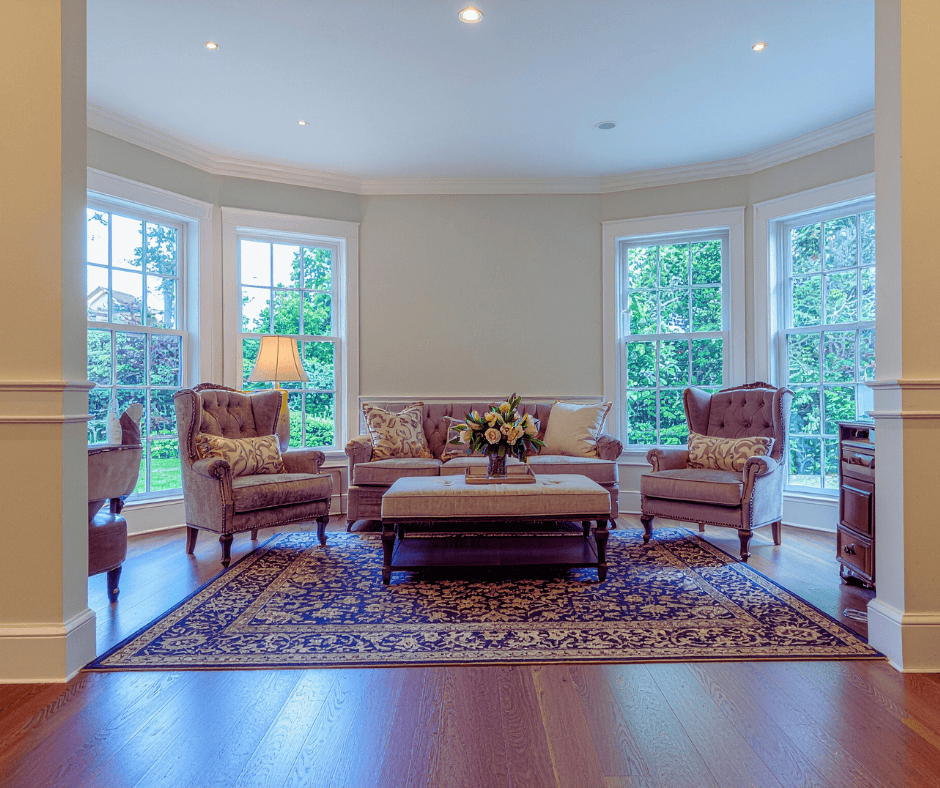
A common worry about heat-blocking windows is that they will darken the house, but modern glass avoids that trade-off. The NFRC label lists visible transmittance, which measures how much daylight the window lets in. A well-chosen low-emissivity coating for a hot climate blocks a large share of the sun's heat while still passing plenty of visible light, so rooms stay bright without the heat that comes with it. Homeowners keep their views and their natural light.

This matters in Sacramento, where big living-room windows and garden views are part of the appeal of many homes. The right glass lets a family enjoy the light and the tree-canopy views while the cooling load stays in check. It is one of the reasons a proper energy specification is worth the attention: it delivers comfort and lower bills without asking the homeowner to give up the brightness that makes a room feel good.

Noise and Comfort Beyond Energy

Insulated glass brings a bonus that homeowners often notice as much as the energy savings: quiet. The same dual-pane construction that slows heat transfer also dampens outside noise, so homes near busy streets, highways, or high-traffic corridors feel noticeably calmer inside. For a bedroom facing a busy road or a living room near a commuter route, that reduction in noise is a daily comfort improvement that comes along with the efficiency upgrade.

Between lower cooling bills, steadier indoor temperatures, more even comfort room to room, and reduced noise, the case for well-specified windows in Sacramento is broad. A licensed installer helps a homeowner weigh all of these benefits against the investment, so the decision reflects the full value rather than energy alone. In a climate as demanding as the valley's, that complete picture is what makes new windows one of the more rewarding home upgrades.

Working With Best Exteriors

Installing energy efficient windows correctly is as important as choosing them, because a great window installed poorly leaks air and underperforms. Best Exteriors is CSLB licensed and insured under License #923505, carries a BBB A+ rating, and installs windows from brands such as Andersen, Milgard, Pella, and Simonton to Title 24 standards. The company installs the full unit, seals and insulates around the frame, handles plans and permits, backs its work with a lifetime warranty on installation, and offers 0 percent financing with zero down payment.

A Sacramento homeowner ready to cut summer cooling costs can arrange energy efficient window installation in Sacramento by calling (916) 252-2693 for a free consultation and clear pricing. Best Exteriors serves Sacramento and nearby communities including Carmichael, Citrus Heights, Folsom, Rancho Cordova, and Elk Grove. Because the right glass depends on each window's orientation and the home's design, an on-site assessment is the surest way to specify energy efficient windows that perform in the valley climate.
Redirect to:


Frequently Asked Questions


Yes. Sacramento's cooling-dominated summers put heavy demand on air conditioning, so windows that block solar heat gain reduce the cooling load and lower summer bills. They also cut hot spots and drafts for steadier comfort. The biggest gains come from homes still running original single-pane windows.
The solar heat gain coefficient, or SHGC, which measures how much of the sun's heat the glass lets through. In a cooling-dominated climate like Sacramento's, a low SHGC matters more than the U-factor that cold-climate marketing emphasizes. The NFRC label on every certified window lists both so you can compare.
Yes. California's Title 24 energy code sets performance requirements for replacement windows, including limits on U-factor and solar heat gain. Best Exteriors installs windows that comply with Title 24 for Sacramento's climate zone, so the project meets code and delivers the intended energy performance.